



When you set out to upgrade your corporate boardroom, auditorium, or retail space, you quickly encounter a massive wave of technical jargon. AV integrators and manufacturers throw around terms like pixel pitch, modular cabinets, and sending cards. Among these terms, one phrase consistently bubbles to the top of modern display discussions: the integrated display system.
But what exactly does this term mean? How does it differ from the giant, complex video walls of the past? If you want to make an informed investment for your business, you need to understand the underlying technology. This guide breaks down the precise technical definition of an integrated system, exploring its core components and why it represents a massive leap forward in digital communication.
What is an Integrated LED System?
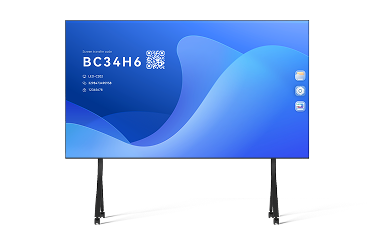
Simply put, an integrated LED display is a complete, self-contained visual solution where all the critical hardware and software components required to operate the screen are built directly into a single, unified chassis.
Think of it like a giant, premium smartphone or a massive version of your living room television. You do not need a separate box to process the video, another box to handle the audio, and a third rack of equipment to manage the power supply. The manufacturer engineers everything to work together flawlessly within one ultra-thin frame. You plug the unit into a standard power outlet, connect your network, and start presenting immediately.
The Core Components of an Integrated Architecture
To truly understand what makes these systems unique, we must look under the hood. A true integrated display consolidates several pieces of historically separate hardware into one sleek package.
1. Built-In Power Supplies
Traditional modular video walls require bulky external power supplies or complex custom electrical routing. An integrated system manages power internally. Engineers design these displays with highly efficient, localized power distribution modules that sit right behind the LED panels. This eliminates the need for heavy external cabling and ensures consistent voltage across the entire screen.
2. Internal Video Processing
Older LED setups rely on external video processors and sending cards. These devices sit in an AV rack, take the video signal from your computer, scale it, and push it to the screen. Integrated systems build this processing power right into the display board. The screen natively understands standard video inputs like HDMI and USB-C, scaling the image to fit the massive pixel grid perfectly without any external hardware.
3. Integrated Operating Systems
A standard LED wall is essentially a dumb terminal—it only shows what an external computer tells it to show. Integrated displays, however, feature built-in computing power. They typically run on customized Android or Windows operating systems. This means you can download applications, browse the web, open documents, and wirelessly cast your screen directly to the display without plugging in a laptop.
4. Native Audio Systems
You cannot have a great presentation without great sound. Instead of forcing you to wire a separate soundbar or ceiling speaker system, these advanced displays feature powerful, built-in speakers seamlessly hidden within the ultra-slim bezel.
How It Differs from Traditional Modular LED Walls
The best way to grasp the value of an integrated setup is to compare it to the traditional modular alternative.
Installation Complexity
Building a traditional modular LED wall requires a massive amount of physical labor. Installers construct custom mounting frames, bolt individual heavy cabinets together, and spend days running complex data cables between every single panel.
Conversely, installing an integrated system takes just a few hours. The specialized wall mount comes in the box. Two technicians simply hang the ultra-lightweight frame, snap the magnetic pixel modules into place, and turn the system on.
The Form Factor
Traditional walls demand serious structural reinforcement and often require a dedicated maintenance room behind the screen for technicians to access the wiring. Integrated screens are remarkably thin—often less than an inch and a half deep. They mount completely flush against your conference room wall, offering full front-access maintenance. If a pixel fails, you simply pop the small front panel off with a magnetic tool and replace it in seconds.
User Experience
Operating a modular wall often requires specialized training. You might need to turn on the processor, boot up the receiving cards, and navigate complex routing software. An integrated system boots up with the push of a button on a simple remote control. If you know how to operate a smart TV, you know how to operate this massive commercial display.
Elevate Your Visuals with QSTECH
Transitioning to advanced display technology does not have to be a complicated, frustrating process. You simply need a reliable partner who understands how to merge high-end engineering with absolute simplicity.
QSTECH stands at the forefront of global LED innovation, dedicated to building brilliant, user-friendly communication tools for modern businesses. When you invest in a QSTECH all in one solution, you get a masterpiece of integrated engineering. QSTECH designs their displays to deliver breathtaking color accuracy, infinite contrast, and robust reliability, all packaged within a sleek, plug-and-play system. They handle the complex technical architecture behind the scenes so your team can focus entirely on delivering a powerful message.
Ready to transform your meeting spaces with seamless, state-of-the-art technology? Explore QSTECH's innovative LED solutions today to find the perfect display for your business needs.


