



Upgrading your commercial space with a large digital screen represents a major investment. You want a display that captivates your audience, enhances communication, and looks highly professional. As you explore your options, you will quickly face a crucial decision: should you buy a pre-packaged standard screen or build a custom-sized display?
Understanding the differences between these two approaches saves you time, money, and future frustration. This guide breaks down the benefits and drawbacks of standardized and flexible LED systems. We will explore installation processes, scalability, and specific use cases to help you make the smartest choice for your business.
Understanding the Basics
Before comparing the technical details, let us define what makes these two systems different. Both use brilliant light-emitting diodes to create stunning visuals, but they approach the physical build from opposite directions.
The Standardized Approach
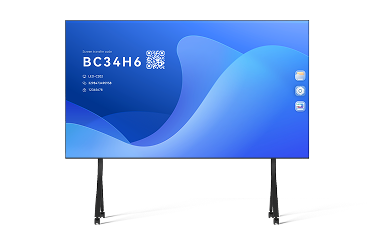
An all in one led wall functions much like a massive version of your living room television. Manufacturers design these screens in standard diagonal sizes, typically ranging from 110 inches up to 220 inches. Every necessary component arrives in a single, cohesive package. The power supplies, receiving cards, audio systems, and operating software come pre-integrated into the sleek frame.
The Flexible Solution
Custom LED walls take a modular approach. Instead of buying a finished screen, you purchase individual LED cabinets or tiles. Installers physically link these smaller squares together to build a screen of any size or shape. If you want a display that wraps around a curved wall, forms a massive banner across an arena, or fills an oddly shaped alcove, a custom wall makes that vision possible.
Key Differences in Installation and Maintenance
The installation process varies wildly between these two options. Your timeline and access to specialized technicians should heavily influence your decision.
· Speed and Simplicity: Standardized screens win on speed. Two technicians can often install an integrated system in a single afternoon. You mount the frame, snap the panels into place, plug it into a standard outlet, and turn it on.
· Engineering and Labor: Custom walls require serious structural planning. Installers must build specialized mounting frames, run complex data cables between every single cabinet, and calibrate the entire system manually. This process can take days or weeks.
· Long-Term Upkeep: Integrated systems offer easy front-access maintenance. If a pixel fails, you use a magnetic tool to swap a small module in seconds. Custom walls often require rear access, meaning you need a dedicated maintenance room behind the display.
Scalability and Creative Freedom
If your project demands pure creative freedom, custom modular screens hold a massive advantage. You are never restricted to standard aspect ratios like 16:9. You can build tall vertical pillars for a retail store, continuous ribbon boards for sports stadiums, or immersive ceiling displays. As your business grows, you can even buy more panels and add them to your existing custom wall to make it larger.
Standardized displays lack this scalability. What you buy is exactly what you get. You cannot add another row of pixels to a 130-inch integrated screen next year. However, for most corporate environments, standard 16:9 aspect ratios remain perfectly ideal because they match the exact format of presentation slides and video conferencing software.
Ideal Use Cases for Each Option
Choosing the right technology comes down to where you plan to put it and how you plan to use it.
You should choose a standardized integrated system for:
· Executive boardrooms and conference centers.
· Classrooms and university lecture halls.
· Small to medium-sized retail lobbies.
· Any space where you need a fast, plug-and-play solution without construction headaches.
You should choose a custom modular wall for:
· Massive outdoor advertising billboards.
· Live broadcast studios requiring curved backdrops.
· Large concert venues and sports arenas.
· Architectural integrations where the screen must fit a specific, unconventional physical space.
Discover the Right QSTECH led display for You
Navigating the world of commercial displays feels overwhelming, but the right partner makes the process effortless. QSTECH stands as a globally recognized leader in visual technology, engineering brilliant, energy-efficient screens for every environment. Whether your project requires the sleek simplicity of a pre-packaged integrated system or the limitless potential of a modular build, a QSTECH led display guarantees vibrant colors, sharp contrast, and unwavering reliability. They design their hardware to empower your business, ensuring your message always looks crisp and professional.
Ready to find the perfect visual solution for your unique space? Explore QSTECH's innovative LED solutions today and transform the way you communicate.


