



The out-of-home advertising landscape has reached a critical tipping point. For decades, the static vinyl billboard was the standard for brand visibility along highways and urban centers. As digital transformation accelerates, the advertising outdoor LED screen has changed the economics of the industry.
For media owners and brands, the choice between traditional static media and a modern LED display solution is no longer only about initial cost. It is about long-term ROI, content flexibility, operational efficiency, and audience engagement.
The Flexibility Gap: Static Limitations vs. Digital Agility
The biggest limitation of a static billboard is its one-asset-one-brand model. Once a vinyl sheet is printed and installed, it usually remains in place for weeks or months. Any message change requires a new print run and a physical installation crew.
An outdoor advertising LED screen works as dynamic inventory. A single screen can host multiple advertisers in a rotating loop, multiplying revenue potential for the site owner. Digital content can also be updated based on time of day, weather, events, or programmatic campaign rules.
TCO and ROI: Where Digital Starts to Win
A digital screen usually requires higher upfront capital expenditure than a static billboard structure. However, static billboards carry recurring operating costs for printing, shipping, installation labor, and downtime during campaign changes.
A high-quality outdoor advertising LED screen removes many of these recurring physical costs. Once installed, content can be uploaded remotely through a cloud-based management system. When the same site can sell time slots to multiple advertisers, many media owners see a much stronger long-term ROI path.
Outdoor LED Screen vs. Static Billboard: Decision Comparison
| Decision Factor | Static Billboard | Advertising Outdoor LED Screen |
|---|---|---|
| Content flexibility | One printed message per campaign | Multiple campaigns and real-time content updates |
| Operating cost | Recurring print and installation labor | Remote upload after hardware installation |
| Revenue model | Usually one advertiser per board | Rotating slots for multiple advertisers |
| Reporting | Limited proof of play | Display logs and scheduled playback records |
| Visual impact | Static image can become part of the scenery | Motion, brightness, and color improve attention capture |
For high-traffic environments, the ability to sell more inventory and update creative faster often outweighs the higher initial hardware investment.
Technical Excellence in High-Traffic Hubs: QSTECH EG56
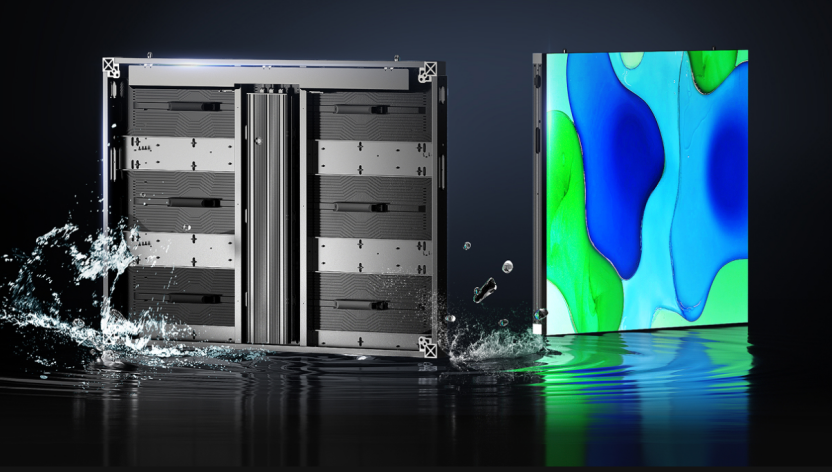
To achieve strong ROI outdoors, the hardware must withstand 24/7 exposure to sun, rain, dust, and temperature changes. The QSTECH EG56 is designed to combine high-performance visuals with rugged durability.
Why EG56 Fits Outdoor Advertising
With brightness up to 15,000 nits, EG56 remains visible even under direct sunlight. Common-cathode technology helps reduce energy consumption, while high-strength magnesium alloy cabinets make the structure lighter and easier to install than many traditional outdoor LED cabinets.
Its IP66-rated enclosure protects against heavy rain, dust, and harsh outdoor conditions, while front and rear maintenance options make the advertising outdoor LED screen adaptable to different installation environments.
Visual Impact: Motion vs. Stasis
The human eye naturally notices movement. Static billboards can fade into the background over time, especially for commuters who pass the same route every day. Digital LED screens use motion graphics, high brightness, and high contrast to regain attention.
With a modern LED display solution such as EG56, advertisers can use video, animation, time-sensitive promotions, and real-time creative changes to create stronger audience engagement than a static image can provide.
Environmental and Long-Term Sustainability
Traditional billboards generate vinyl waste after each campaign. A digital advertising outdoor LED screen is a lower-waste medium for content delivery because campaigns are changed by uploading new files. Energy-saving technologies and brightness sensors can further reduce power use by adapting screen output to ambient light conditions.
About QSTECH
Supported by CVTE's R&D resources, including more than 11,000 patents and advanced reliability laboratories, QSTECH delivers display products that are good looking, good sounding, and good to use. The EG56 series represents QSTECH's outdoor engineering strength, supporting stable, high-brightness deployments in more than 140 countries.
FAQ
Is an outdoor LED screen more expensive than a static billboard?
The initial hardware cost is higher, but digital screens can reduce recurring print labor and support multiple advertisers, which can improve long-term ROI.
Why is brightness important for outdoor advertising LED screens?
High brightness keeps content visible under direct sunlight, preventing ads from looking washed out in premium roadside or urban locations.
Can LED screens support programmatic advertising?
Yes. Digital LED screens can support scheduled and programmatic content changes, allowing brands to adapt messages by time, weather, events, or campaign strategy.
Ready to Upgrade Your Outdoor Advertising Network?
QSTECH can help media owners and brands evaluate outdoor LED display solutions that improve visibility, flexibility, and revenue potential.
Contact QSTECH to discuss your outdoor LED screen project.


