



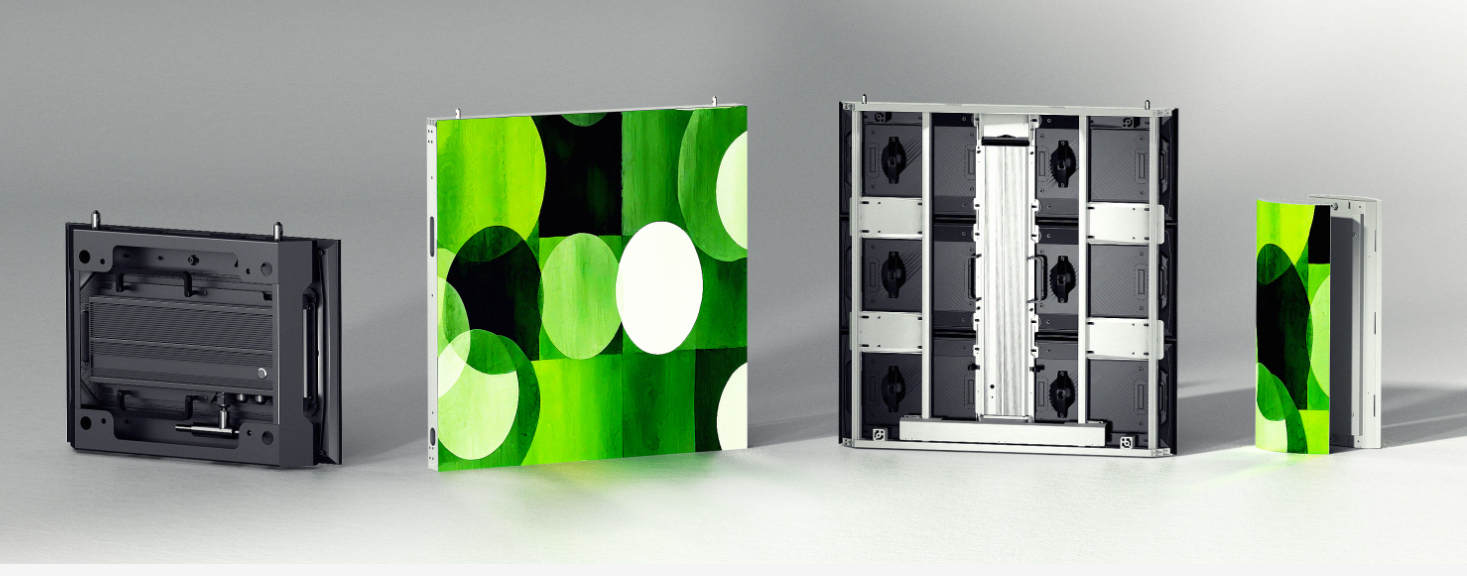
For architects, developers, media owners, and system integrators, selecting a building LED screen is not simply a question of brightness or cabinet price. A display mounted on a high-rise office tower, retail facade, stadium, or public landmark must operate reliably through rain, dust, heat, wind, and continuous outdoor exposure.
A successful project starts with a professional LED display solution that can match the building structure and the visual goal. The best choice depends on installation height, viewing distance, facade material, access conditions, and the type of content the screen needs to show.
Critical Requirements for a Building LED Screen
Weatherproofing is the first requirement for any exterior LED display. A building LED screen should normally use an IP65 or higher protection design so internal electronics are protected from rain, dust, humidity, and airborne particles. In coastal or high-humidity environments, corrosion resistance becomes especially important.
Thermal management is another key factor. Outdoor displays generate heat while also absorbing heat from direct sunlight. A professional LED display should use efficient heat dissipation materials, such as die-cast aluminum or aluminum alloy structures, to reduce dependence on bulky external fans and help stabilize long operating hours.
Brightness, refresh rate, and service access also matter. Many exterior displays need more than 5,000 nits for daytime visibility, high refresh rates for camera-friendly content, and front or rear maintenance options so technicians can service the screen safely without disrupting building operations.
Traditional Cabinets vs. Integrated Facade Displays
Traditional outdoor LED cabinets remain suitable for many building applications, especially when the project has a dedicated steel structure and enough rear service space. These cabinets are robust and familiar to installers, but they can add significant load to the building envelope.
Integrated facade displays are designed with slimmer cabinets, lighter materials, and cleaner architectural alignment. This type of building LED screen can reduce structural pressure on the curtain wall and create a more intentional visual result, especially for commercial towers, shopping centers, and landmark media facades.
| Display type | Best fit | Key consideration |
|---|---|---|
| Traditional outdoor cabinet | Large surfaces with strong support frames | Higher structural load and more visible mounting structure |
| Integrated facade display | Retail facades, landmarks, and commercial buildings | Better architectural fit and cleaner installation |
| Transparent LED mesh | Glass facades requiring visibility through the surface | Lower resolution and less suitable for detailed content |
| High-density exterior LED screen | Advertising, branding, and video playback | Requires careful pixel pitch and heat design |
Technical Spotlight: QSTECH Y53 Series
When a building project needs high-definition clarity and outdoor reliability, QSTECH Y53 is designed as a premium exterior and facade display solution. It supports demanding outdoor applications where visual performance, cabinet strength, and long-term stability must work together.
The Y53 series is built for all-weather resilience with an IP66-rated structure, high outdoor brightness, slim and lightweight cabinet design, energy-efficient operation, and precise module alignment. These characteristics help the display become part of the building rather than an afterthought attached to the facade.
Why Y53 Fits Building Exterior Projects
For exterior applications, the value of QSTECH Y53 is not only image quality. Its lightweight architecture can reduce structural reinforcement needs, while efficient thermal design helps control operating temperature and maintenance requirements across long daily running hours.
Visual Integration and Pixel Pitch Selection
Pixel pitch should be selected according to viewing distance. A screen mounted high on a tower may use a larger pixel pitch, such as 10mm to 16mm, because viewers are farther away. For street-level retail facades or medium-rise buildings, a smaller pitch, often around 4mm to 10mm, can make text, logos, and product details easier to read.
The display should not only glow; it should communicate clearly. High refresh rates, stable color, and consistent flatness help exterior screens display brand campaigns, videos, and public information smoothly, including when the building appears in photography, livestreams, or news coverage.
Long-Term Stability and Brand Presence
A building LED screen is a long-term investment. Unlike temporary rental screens, an exterior facade display is expected to run for years while preserving brightness, color consistency, and structural safety.
This is why component quality, cabinet engineering, waterproof design, calibration, and maintenance planning should be evaluated together. A reputable professional LED display manufacturer can help reduce failure points and protect the building's digital identity over the full service life of the screen.
About QSTECH
QSTECH is a global LED display technology company and a flagship subsidiary of CVTE. With more than 30 years of industry experience, strong R&D infrastructure, and display projects in more than 140 countries, QSTECH provides LED solutions for outdoor facade, advertising, commercial display, control room, cinema, rental, and all-in-one collaboration spaces.
FAQ
What type of LED screen is best for building exteriors?
The best type depends on the building structure and content goal. Integrated facade LED displays are often suitable for commercial buildings that need cleaner architecture and better image quality, while transparent mesh may fit projects that prioritize see-through glass surfaces.
What IP rating should an exterior LED screen have?
Exterior LED screens normally need IP65 or higher protection. For demanding outdoor environments, an IP66-rated structure provides stronger protection against rain, dust, and harsh weather.
How do I choose pixel pitch for a building LED screen?
Choose pixel pitch based on viewing distance. Larger pitches can work for high-mounted screens viewed from far away, while smaller pitches are better for street-level facades where viewers are closer to the screen.
Which QSTECH product is suitable for exterior facade displays?
QSTECH Y53 is suitable for exterior facade and building LED screen projects that require high brightness, IP66 durability, lightweight cabinet design, and reliable long-term operation.
Plan Your Building LED Screen Project
If your building is ready for a digital transformation, QSTECH can help evaluate pixel pitch, brightness, cabinet structure, weather protection, maintenance access, and control system requirements for your exterior display project.
Contact QSTECH to discuss the right building LED screen solution for your architectural project.


