



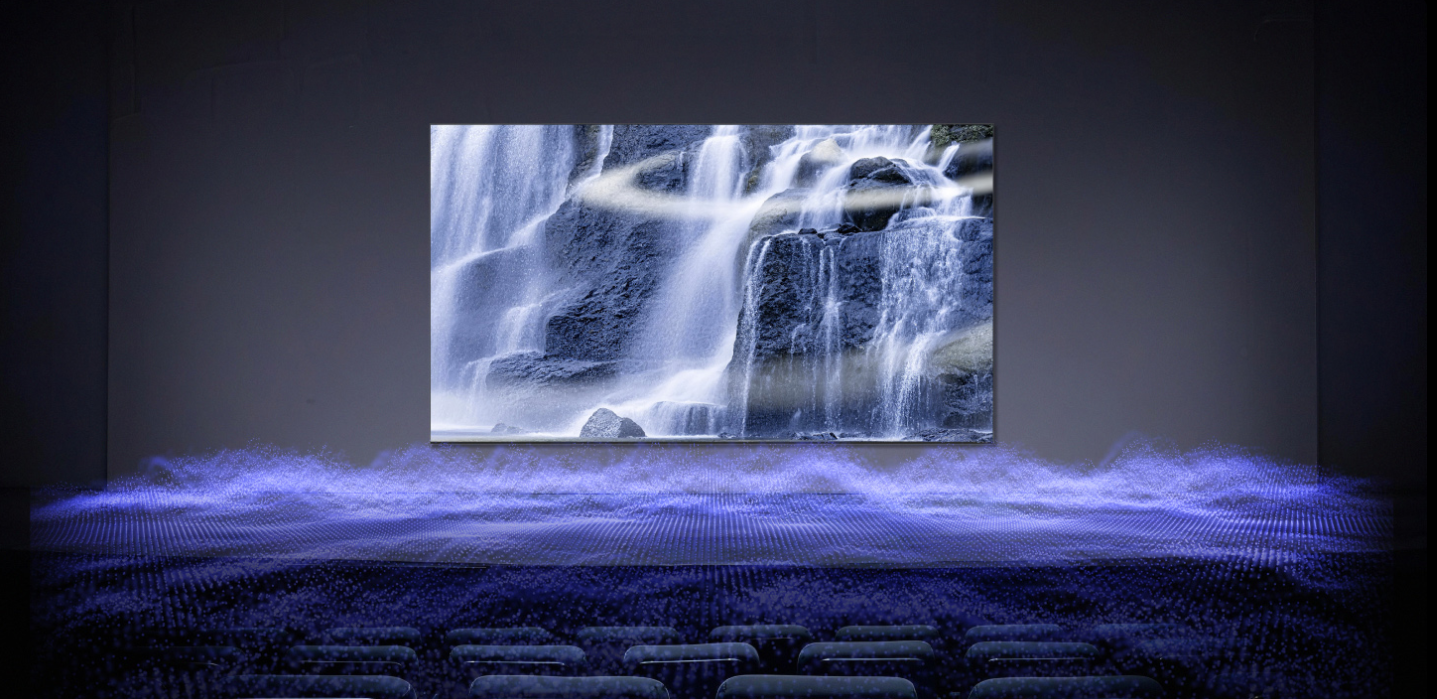
In the rapidly advancing field of high-definition visual systems, the architecture of the LED pixel has become the primary battleground for performance and reliability. For technical decision-makers and AV integrators, understanding the underlying manufacturing processes, specifically the transition from traditional wire bonding to advanced flip-chip COB, is essential.
As the demand for finer pixel pitches and higher contrast increases, the limitations of legacy packaging are becoming more apparent. This analysis explains why the industry is shifting toward wire-free architectures to achieve the next generation of professional display standards.
The Legacy of Wire Bonding: Maturity vs. Physical Constraints
For decades, wire bonding has been the cornerstone of LED manufacturing. In this face-up configuration, the LED chip is mounted on a substrate with its electrodes facing upward. Thin metallic wires, typically made of gold or copper, are then thermally or ultrasonically bonded to connect the chip's terminals to the PCB.
Wire bonding remains mature and cost-effective, but it creates several bottlenecks in a COB LED video wall environment. Wires can obstruct part of the light path, introduce fragile failure points during thermal cycling, and limit how tightly pixels can be packed together.
The Structural Shift: Flip-Chip COB Manufacturing
Flip-chip technology represents a fundamental inversion of the traditional LED structure. In a flip-chip configuration, the LED die is flipped upside down, and the electrodes are bonded directly to the substrate using solder bumps or conductive adhesives. This removes the need for connecting wires.
Why Wire-Free Packaging Matters
When applied to a COB LED video wall, flip-chip technology creates a wire-free surface that is fully encapsulated in protective resin. Without exposed bonding wires, the display gains stronger optical purity, deeper black levels, and better mechanical robustness against impact, vibration, humidity, and oxidation.
This is especially important for indoor fine-pitch applications, where close viewing distances make contrast, uniformity, and pixel reliability highly visible to end users.
Wire Bonding vs. Flip-Chip COB: Decision Comparison
| Decision Factor | Wire Bonding COB | Flip-Chip COB |
|---|---|---|
| Electrical connection | Uses fine metal wires between chip and substrate | Bonds electrodes directly to the substrate |
| Optical performance | Bond wires can cause light-path obstruction and reflection | Wire-free structure supports higher brightness uniformity and deeper black levels |
| Reliability | Wire fatigue can create pixel failure risks over time | No fragile wires, improving resistance to impact and vibration |
| Thermal path | Less direct heat transfer path | Direct chip-to-substrate contact improves heat dissipation |
| Best-fit applications | Cost-sensitive, larger-pitch applications | Fine-pitch indoor displays, boardrooms, command centers, broadcast spaces |
For projects where visual quality, uptime, and long-term stability matter more than lowest upfront cost, flip-chip COB provides a stronger technical foundation.
Performance Benchmark: QSTECH X-Wall V3 Pure
The QSTECH X-Wall V3 Pure applies full flip-chip COB packaging to deliver the visual performance and reliability expected in modern boardrooms, executive briefing centers, and high-end collaboration spaces.
Key Technical Advantages
By using full flip-chip COB architecture, X-Wall V3 Pure reaches a 15000:1 contrast ratio, supports a 6mm ultra-narrow bezel, and achieves a 98.6% screen-to-body ratio. The result is a nearly borderless large-format display with stronger black levels and more immersive presentation impact.
In a QSTECH LED display, direct chip-to-substrate contact reduces thermal resistance. This helps the system run 8-12°C cooler than traditional COB displays, extending LED lifespan and reducing power consumption.
Heat Dissipation and Longevity in 24/7 Operations
Total cost of ownership is a critical factor for B2B clients. In traditional wire-bonded LEDs, heat must travel through less efficient paths, which can increase junction temperature and accelerate lumen depreciation.
In a flip-chip COB LED video wall, the heat-generating part of the chip is in direct contact with the metal traces of the PCB. This bottom-cooling mechanism supports faster heat transfer, which is valuable for mission-critical environments such as command centers, broadcast studios, and 24/7 control rooms.
Final Analysis: Why Flip-Chip Is the Future
Wire bonding still has a place in low-cost and larger-pitch applications, but it is increasingly limited for high-precision indoor collaborative spaces. Flip-chip COB supports ultra-fine pixel pitches, stronger screen-surface durability, better thermal control, and improved contrast, making it the stronger choice for premium professional LED deployments.
About QSTECH
With more than 30 years of LED industry experience, QSTECH has been at the forefront of the All-in-One LED revolution. Backed by CVTE's R&D infrastructure, including more than 9,000 patents and 14 specialized laboratories, QSTECH delivers products that prioritize stability, ease of use, visual excellence, and sustainable manufacturing.
FAQ
What is the main difference between wire bonding and flip-chip COB LED?
Wire bonding uses fine metal wires to connect the LED chip to the substrate, while flip-chip COB bonds the chip directly to the substrate. Removing the wires improves durability, optical performance, and heat dissipation.
Why does flip-chip COB improve contrast?
Without reflective bonding wires, manufacturers can use deeper black encapsulation materials and reduce unwanted reflections, helping the display achieve stronger black levels and higher static contrast.
Is flip-chip COB better for 24/7 display applications?
Yes. Its more direct thermal path helps reduce operating temperature, which supports longer LED lifespan, better brightness stability, and fewer maintenance interventions in continuous-use environments.
Ready to Upgrade to Flip-Chip COB?
If your project requires a high-contrast, durable, and energy-efficient COB LED video wall, QSTECH can help evaluate the right flip-chip solution for your space.
Contact QSTECH for a technical consultation.


