



In the rapidly evolving world of display technology, the quest for higher resolution, better contrast, and greater reliability has led to the emergence of several competing manufacturing processes. Among the most discussed innovations is MIP technology. But what is an MIP screen, and why is it becoming a focal point for the next generation of LED displays?
As a leader in the LED industry, QSTECH is committed to providing clarity on these technological shifts to help organizations make informed decisions. This article explores the mechanics of MIP, its core benefits, and how it compares to established standards like SMD and COB.
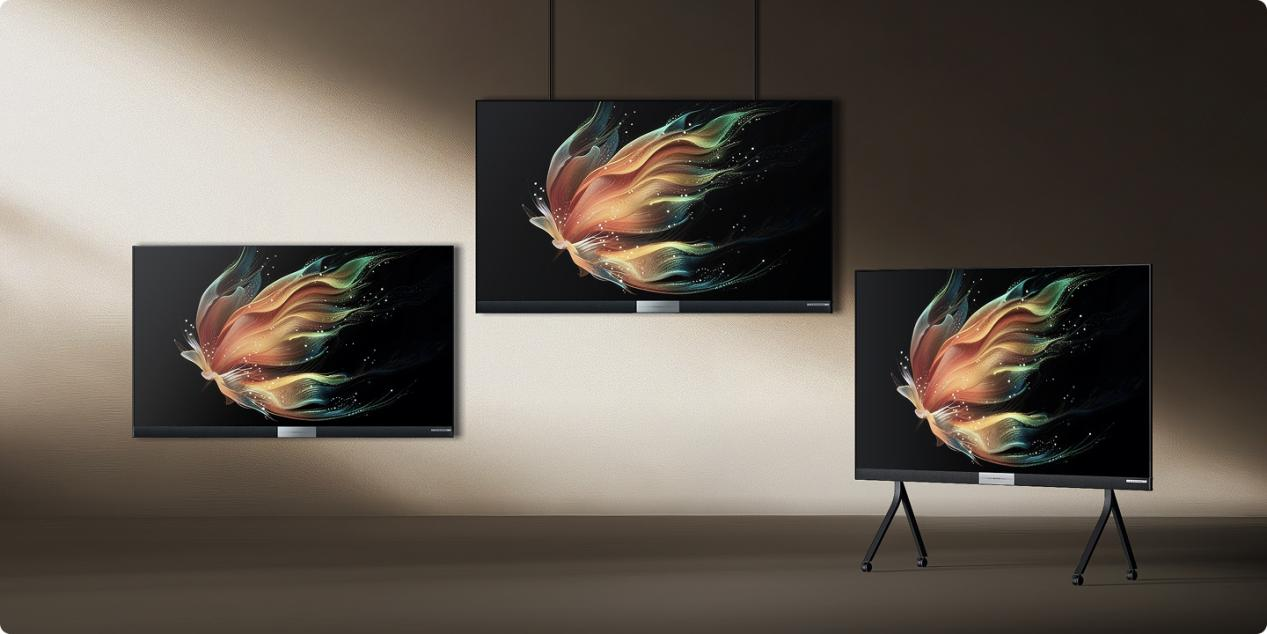
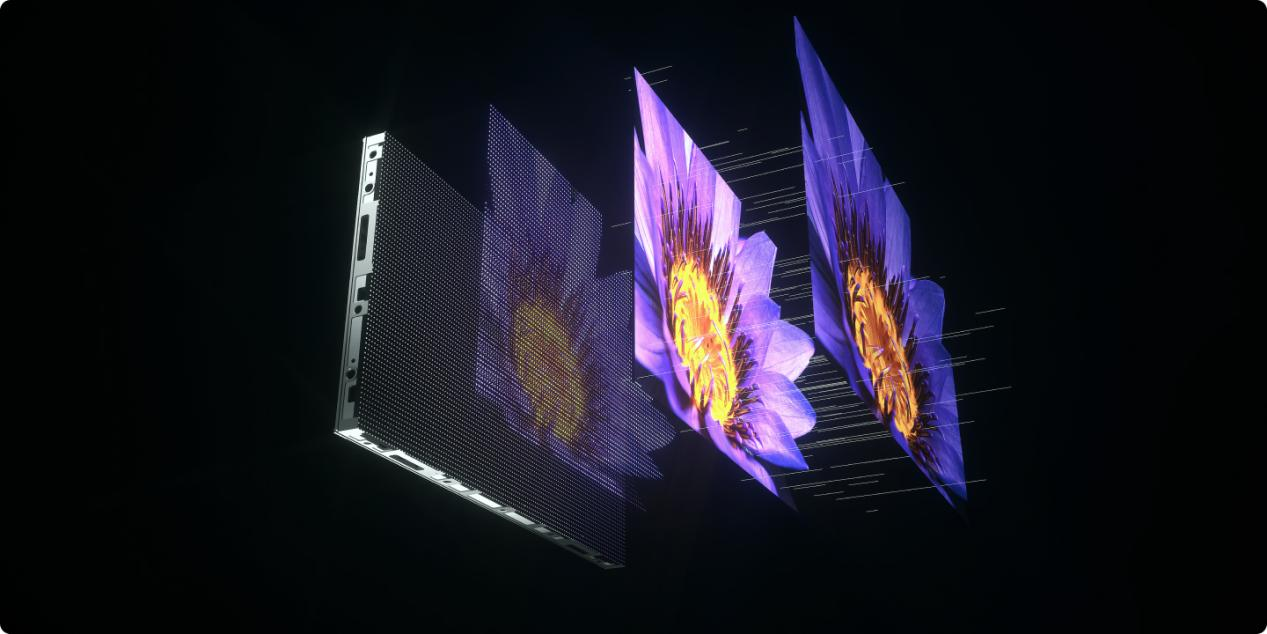
Picture shown: QSTECH X Wall V3 MIP screen
What Is an MIP (Micro LED in Package) Screen?
In the context of large-format LED displays, "MIP" stands for "Micro LED in Package". It represents an innovative chip-scale hybrid packaging approach designed to bridge the gap between traditional SMD (Surface-Mounted Device) and COB (Chip-on-Board) technologies.
The manufacturing process of an MIP LED display involves several key steps:
· Microchip Fabrication: Ultra-small micro LED or mini LED chips—typically measuring less than 50 to 100 micrometers—are produced.
· Mass Transfer: These microscopic chips are transferred onto a substrate using advanced mass transfer techniques.
· Individual Packaging: Each chip is encapsulated within a robust, protective resin shell, creating a standalone pixel package.
· Testing & Sorting: Every individual MIP component undergoes rigorous optical testing and color binning to ensure consistent performance.
· SMT Assembly: Finally, these standardized pixel packages are mounted onto the final PCB using conventional SMT (Surface-Mount Technology) equipment.
In essence, MIP can be understood as a "single-pixel COB" solution. It combines the high reliability and visual uniformity of COB with the flexibility and maintainability of SMD—making it a compelling option for a wide range of applications.
Key Advantages of MIP LED Displays
The growing adoption of MIP LED screen technology is driven by several distinct advantages over conventional packaging methods.
1. Superior Visual Performance
MIP technology delivers exceptional image quality that meets the demands of high-end applications:
· High Brightness: MIP displays can achieve brightness levels exceeding 4,000 nits, ensuring clear visibility even in brightly lit environments.
· Deep Contrast: With black area ratios reaching up to 99.03%, contrast ratios can range from 15,000:1 to 100,000:1, producing rich, deep blacks.
· Excellent Color Consistency: Because each pixel is individually tested and binned before assembly, color uniformity across large screens is outstanding.
· Wide Viewing Angle: The technology supports over 170-degree viewing with minimal color shift.
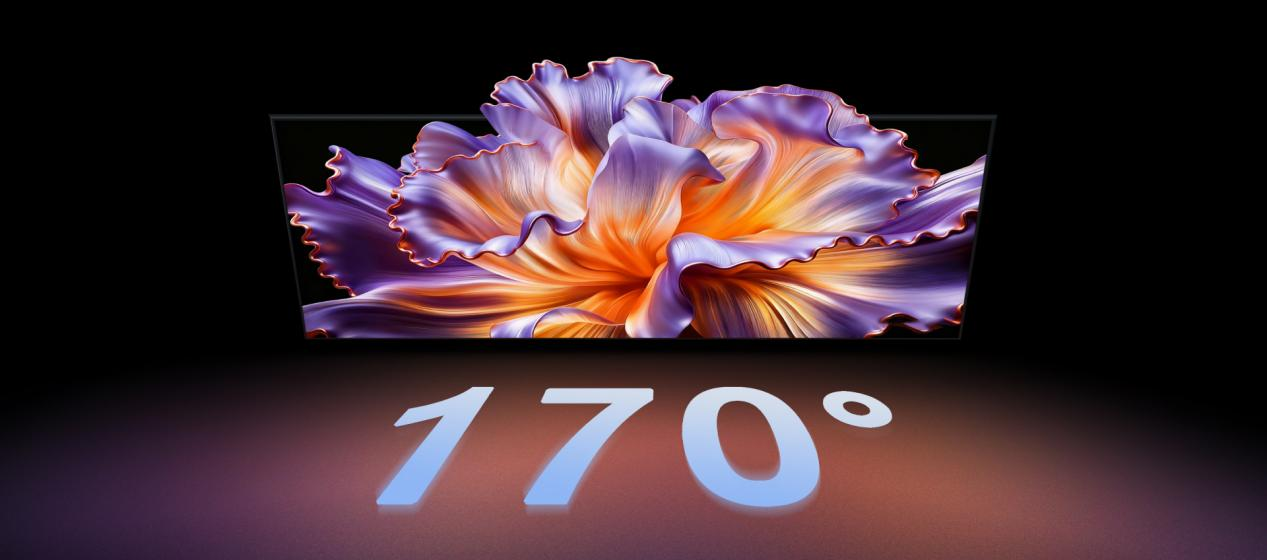
Picture shown: QSTECH CM27 Series
2. Exceptional Reliability and Durability
Each MIP pixel is fully encapsulated in resin, offering robust protection against:
· Moisture and dust
· Static electricity
· Physical impact and scratching
This makes MIP displays significantly more durable than traditional SMD products, where exposed LED lamps are vulnerable to damage.
3. Pixel-Level Maintainability
Unlike COB technology—where a single chip fails, the entire module often needs to be replaced or sent back to a specialized factory—MIP retains the maintainability advantages of SMD. Individual pixels can be replaced on-site, dramatically reducing long-term maintenance costs and downtime.
4. Cost-Effective Manufacturing
MIP offers significant production efficiencies:
· Lower Transfer Yield Requirements: Unlike COB, which demands near-perfect mass transfer yields (99.9999% or higher), MIP allows defective pixels to be identified and removed before final assembly, reducing manufacturing complexity.
· Compatibility with Existing Equipment: LED manufacturers can utilize their current SMT production lines to assemble MIP components, avoiding the need for substantial new capital investment.
· Versatile Component Usage: The same MIP package can be used to produce displays with varying pixel pitches, simplifying inventory management.
5. Energy Efficiency
MIP displays utilizing flip-chip and common cathode designs offer excellent thermal management, with power consumption up to 40% lower than conventional SMD products. This translates to reduced operating costs and extended product lifespan.
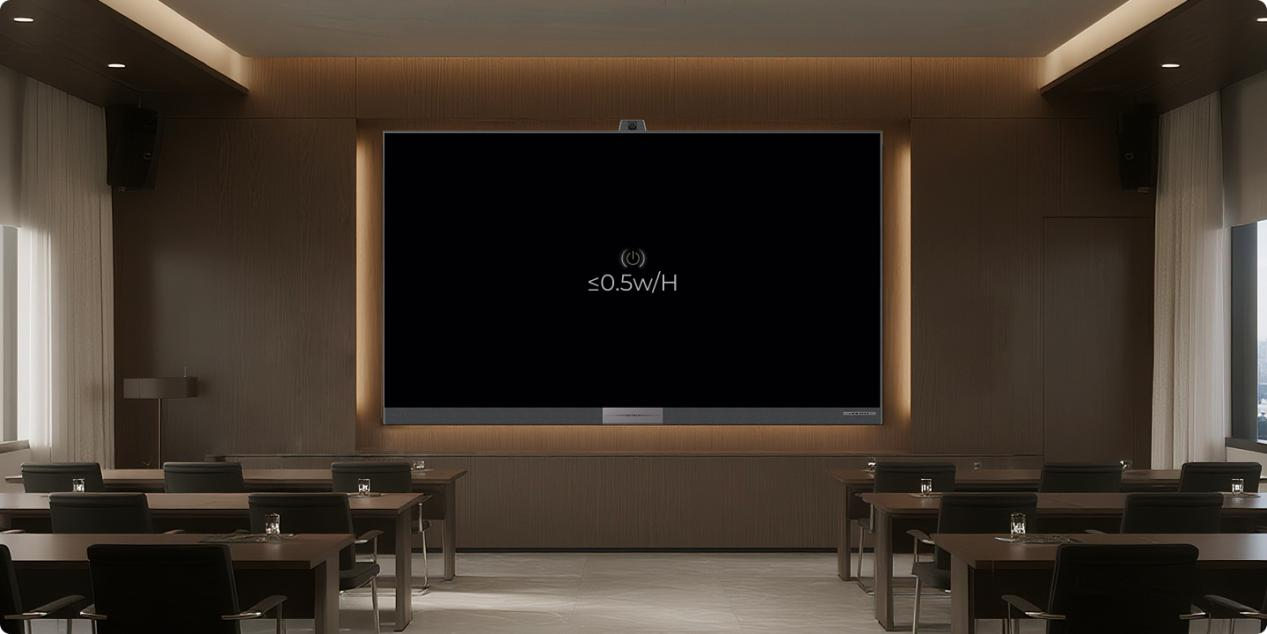
QSTECH X Wall V3 – Standby Power ≤ 0.5 W/h
How MIP Compares to Other LED Technologies
Understanding the MIP screen becomes clearer when compared to established alternatives:
1. MIP vs SMD LED Displays
SMD (surface-mounted device) LED displays use exposed LED chips mounted directly on the PCB. While this structure supports cost efficiency and high-resolution production, it has a clear weakness in durability.
The exposed components are more vulnerable to physical impact, moisture, dust, and static electricity during installation, transport, and daily use. This can result in higher risks of dead pixels or LED failure over time.
MIP, by contrast, provides a major improvement in protection. Each LED chip is pre-encapsulated before mounting, forming an independent protective layer. This “packaged” structure significantly enhances resistance to collision, humidity, and dust.
As a result, the key advantage of MIP over SMD is much higher durability and lower failure rate, making it more reliable for long-term operation.
2. MIP vs COB LED Displays
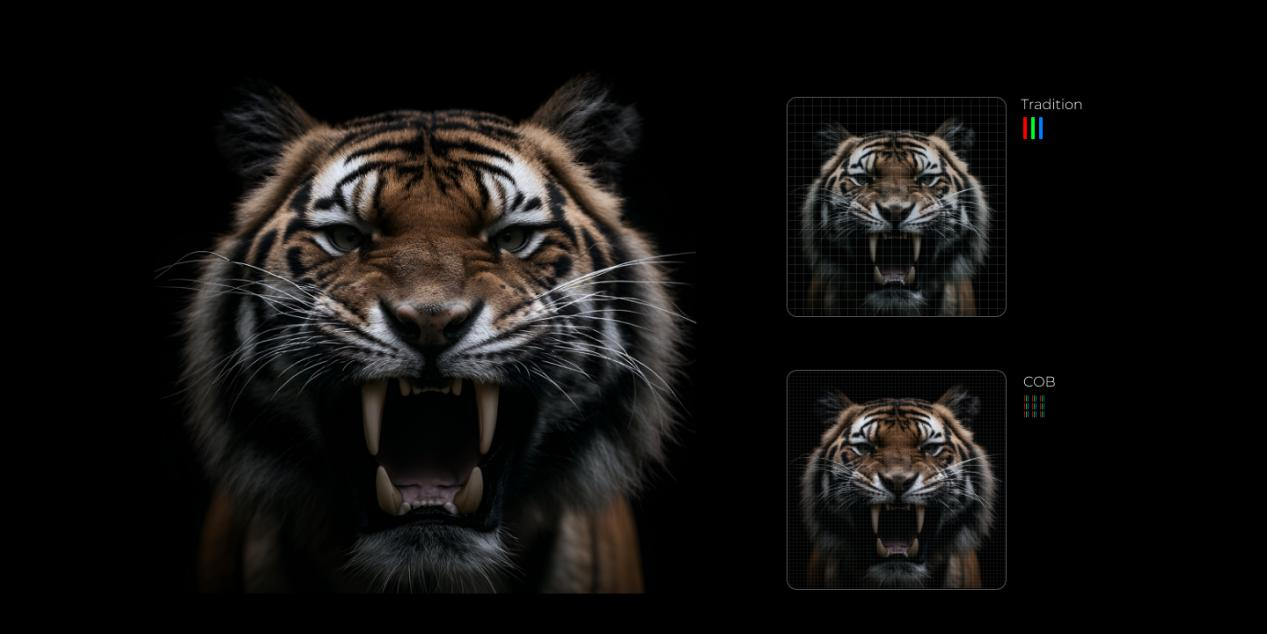
Typically, COB (chip on board) technology fully covers LED chips with an epoxy resin layer, creating a seamless and highly protected surface. It offers excellent anti-collision, dustproof, and moisture-resistant performance, similar to or even stronger than MIP in physical protection.
However, in terms of optical efficiency, COB has a drawback. The resin layer can slightly affect light output efficiency, meaning that under the same perceived brightness, COB often requires higher actual LED driving power. This leads to higher energy consumption compared to MIP.
MIP, on the other hand, can achieve similar visual brightness with lower actual light output, resulting in improved power efficiency.
Applications of MIP LED Displays
Specifically, MIP LED displays are ideal for applications requiring high protection, fine pixel pitch, and strong visual performance, including:
1. Commercial and Corporate Spaces
Used in company lobbies, boardrooms, and executive meeting rooms. MIP displays deliver seamless, high-resolution visuals for presentations and brand communication. In retail environments and shopping malls, they help showcase products with fine detail and enhance visual merchandising impact.
2. Luxury Home Theater
Widely applied in high-end 4K/8K home theater systems, providing immersive viewing experiences with clear image quality and strong visual consistency.
3. Broadcast and XR Virtual Production
Used in XR studios, virtual production sets, and broadcast environments. MIP ensures stable color performance and high consistency, meeting the strict imaging requirements of camera-based production.
4. Control Rooms and Monitoring Centers
Applied in mission-critical environments such as command centers and security monitoring rooms that demand high reliability and accurate transmission of visual information.
QSTECH Solutions: The CM27 Series
As an industry-leading LED display manufacturer, QSTECH offers premium MIP LED display solutions, including the CM27 series.
Core Technical Advantages of the CM27 Series:
· MIP Packaging Revolution: Utilizing revolutionary MIP technology, the series achieves an ultra-fine pixel pitch of 0.9mm. This technology ensures pixel-level uniformity and superior protection, delivering unparalleled visual consistency.
· Ultimate Contrast & Deep Black Performance: With a breakthrough 10,000:1 contrast ratio and ultra-deep black technology, the screen renders profound black levels and stunning stereoscopic depth in every detail.
· 170° Ultra-Wide Viewing Experience: Integrated with advanced microlens technology, the display maintains perfect color and brightness consistency across a 170° wide viewing angle, ensuring "every seat is the best seat."
· 64x Grayscale Enhancement: Driven by intelligent algorithms, the CM27 series features a 64x grayscale boost. It renders skin tones, metallic textures, and natural gradients with precision that exceeds human visual perception.
Key Parameters at a Glance
Feature | Specifications |
Pixel Pitch | 0.9mm |
Peak Brightness | 1000 nits |
Refresh Rate | 3840 Hz |
Cabinet Weight | 3.8kg (Slim & Lightweight) |
Conclusion
The MIP screen technology combines the best attributes of SMD and COB—delivering superior image quality, robust durability, and energy efficiency in a single solution. For organizations seeking high-performance displays that balance visual excellence with long-term cost efficiency, MIP represents a compelling choice.
QSTECH brings over 33 years of LED industry experience to help you find the right display technology for your specific needs. With localized service teams across 18+ locations and a global service network spanning 140+ countries, we ensure reliable support wherever your project takes you.
Contact QSTECH today to discuss how our LED display platforms—including SMD, COB, and MIP technologies—can bring your vision to life!


