



Planning an outdoor music festival, live sports broadcast, or corporate gathering brings massive logistical hurdles. Nature simply does not care about your production schedule. High winds and tight timelines constantly threaten to derail your visual presentation and risk attendee safety.
To keep your audience captivated and your crew safe, you need display technology specifically built for unpredictable elements. A massive digital wall acts like a giant sail if you do not engineer it correctly. Furthermore, your crew needs equipment they can assemble and tear down in record time to keep labor costs low.
This guide explores the essential balance between structural wind resistance and rapid deployment. We will uncover practical secrets to streamline your workflow and secure your displays, ensuring your next outdoor event executes flawlessly.
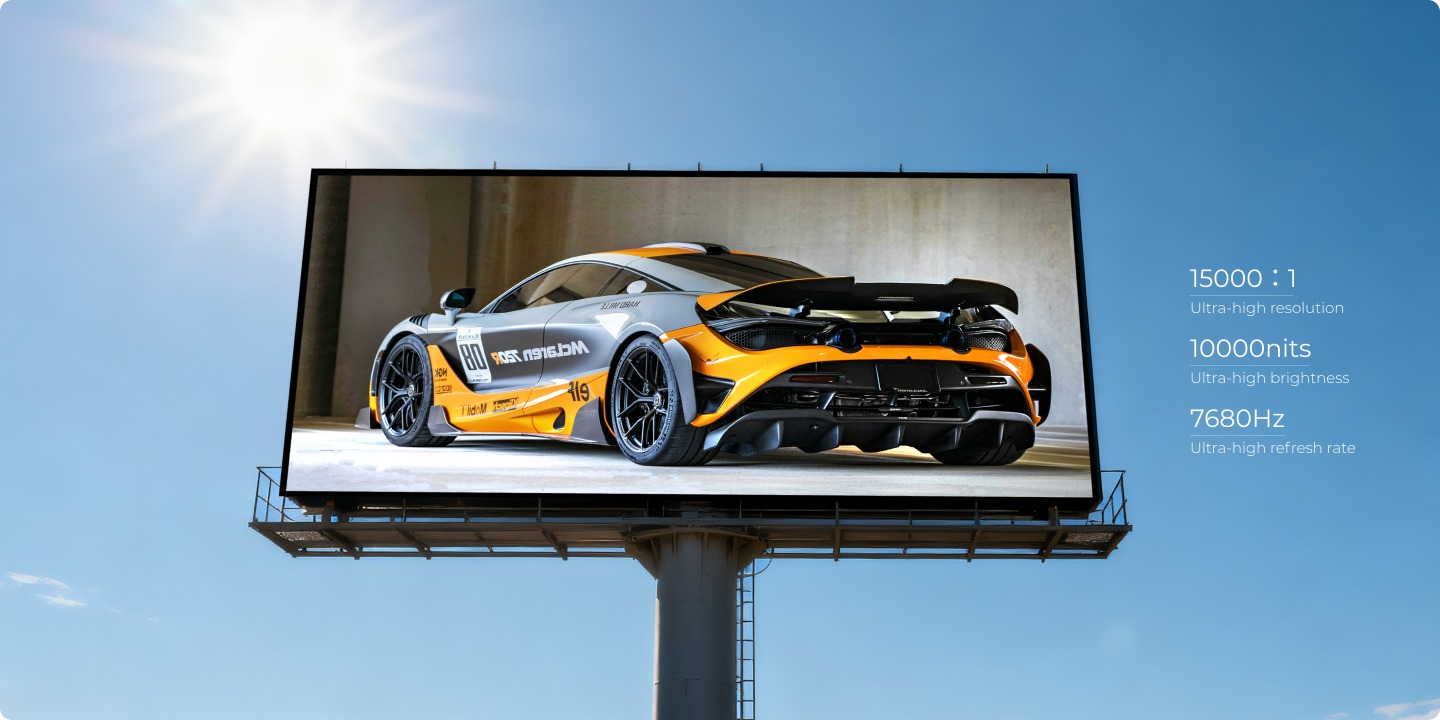
The Challenge of Wind Resistance in Outdoor Events
When you build a temporary structure outside, wind becomes your primary adversary. A solid block of display panels catches massive amounts of air pressure. If a strong gust hits a poorly secured screen, it can damage the internal electronics or collapse the entire rig.
Protecting your investment and your attendees requires a proactive approach to structural integrity. You cannot afford to cut corners when dealing with unpredictable weather patterns.
Understanding Wind Load Calculations
Event producers must calculate the wind load before hanging a single panel. This mathematical calculation determines how much horizontal force the wind will exert on the physical surface area of the display.
You cannot simply guess this number. Professional riggers use local weather data and the exact dimensions of the screen to design a support structure that exceeds the anticipated wind load. Proper ballasting at the base of your truss system prevents the entire unit from tipping over during sudden microbursts.
Strategic Structural Support
You can significantly reduce wind load by making smart hardware choices. If you must use solid panels, your rigging team needs to install heavy-duty, diagonal cross-bracing behind the screen. This transfers the wind pressure safely down to the ground rather than letting it torque the overhead truss.
Alternatively, using highly transparent displays allows the breeze to pass directly through the physical gaps in the screen. This drastically lowers the surface area pushing back against the wind, making the entire structure inherently safer.
Secrets to a Fast and Safe Setup
In the live event industry, time equals money. Every extra hour your crew spends building a display cuts directly into your profit margins. You need hardware that prioritizes speed without compromising safety.
Modular and Quick-Lock Designs
The secret to rapid deployment lies in modular engineering. Modern rental screens use specialized quick-lock systems built right into the cabinet frames. Technicians can easily snap two panels together and secure them with a simple half-turn of a locking handle.
This completely eliminates the need for power drills, heavy bolts, and complex tools. A skilled team can assemble a massive video wall in a fraction of the time it took just a few years ago. Choosing lightweight die-cast aluminum cabinets also reduces worker fatigue, keeping your crew moving quickly throughout the entire build.
Efficient Cable Management
Messy wiring slows down any installation and creates a nightmare during the teardown phase. To speed up your workflow, choose screens with integrated power and data routing.
Many advanced panels allow you to daisy-chain the cables directly from one cabinet to the next. This creates a clean, organized back-end that takes minutes to plug in. Clear labeling on all your heavy-duty cables ensures no one wastes time guessing which wire goes where.
Meeting the Challenge with the Y53 Series
When it comes to executing an ambitious outdoor vision safely and efficiently, the Y53 series outdoor LED display serves as the ultimate solution. This highly advanced led facade screen features a brilliantly engineered transparent design, allowing wind to flow harmlessly right through the display structure. This transparency drastically reduces wind load without sacrificing vibrant image quality, making it incredibly safe for massive outdoor festivals and stage backdrops. Furthermore, the lightweight aluminum chassis and integrated fast-locking mechanisms mean your crew can deploy this brilliant QSTECH led screen in record time, ensuring your production stays perfectly on schedule even under the tightest deadlines.
Practical Tips for Event Producers
Even with the best hardware on the market, a successful event requires careful planning and execution. Follow these best practices to guarantee a smooth operation from start to finish.
· Conduct thorough site surveys: Always inspect the ground where you plan to build. Soft dirt, mud, or uneven pavement compromises the stability of your rigging truss and ballasts.
· Monitor live weather data: Assign a dedicated crew member to watch local weather radar continuously. Establish clear safety protocols that dictate exactly when to lower the screen if wind speeds exceed safe thresholds.
· Train your team in advance: Do not let your crew figure out the locking mechanisms on the day of the show. Conduct a practice build in a warehouse to ensure everyone knows the precise assembly steps.
By respecting the power of the wind and investing in streamlined, fast-rigging technology, you remove the stress from outdoor event production. Your crew will work safer, your setup will finish faster, and your audience will enjoy a spectacular visual experience.
Explore QSTECH's innovative LED solutions today to find the perfect reliable display for your next big production.


