



Have you ever looked at a digital billboard on a brilliantly sunny day and wondered how the image stays so perfectly clear? The secret lies in the specific technical capabilities of the display. When direct sunlight hits a standard television or indoor monitor, the picture washes out completely, leaving behind a dark, unreadable glare.
To compete with the sun, commercial spaces require highly specialized hardware. But what exactly makes a screen "high brightness"? How do you measure it, and what numbers should you look for when planning an installation?
This guide explains the exact technical thresholds that define a high-brightness display. You will learn how to measure light output, understand the importance of contrast, and discover where these powerful visual tools perform best.
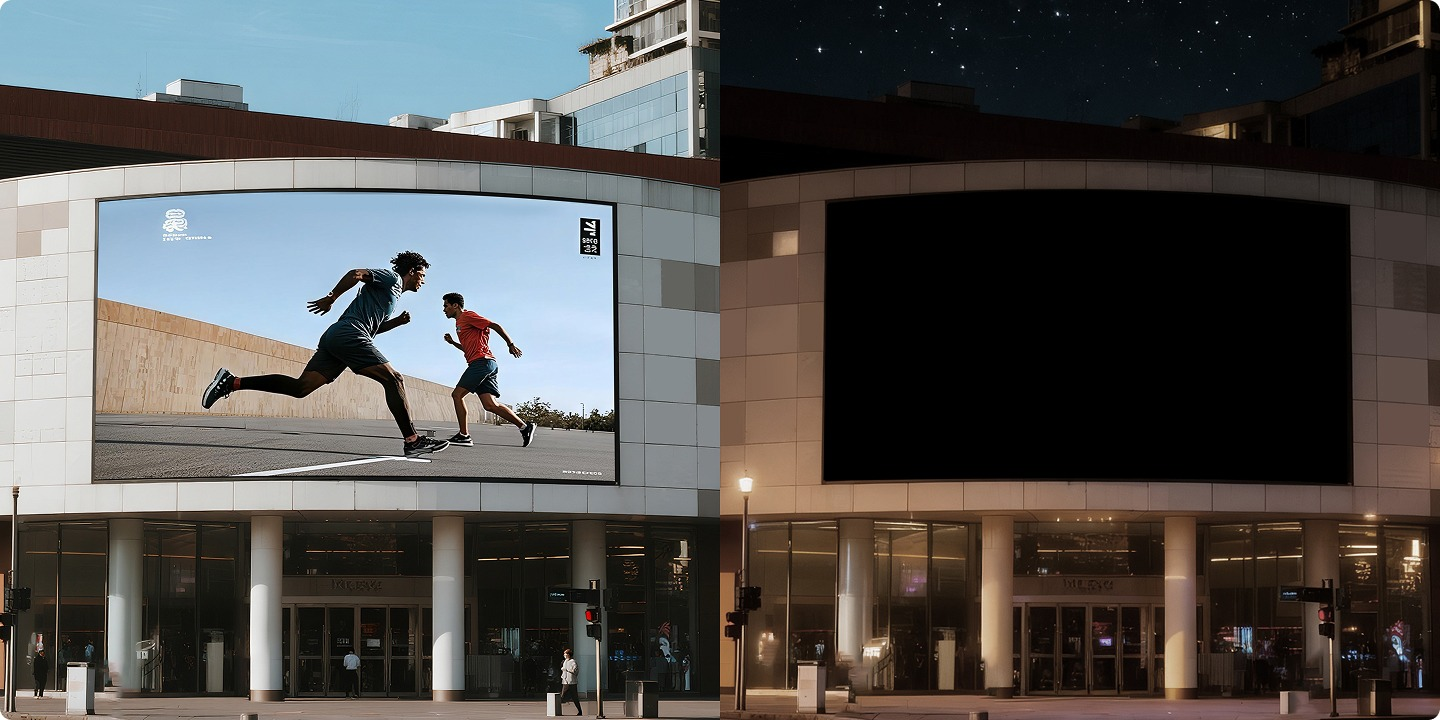
Measuring Light Output: Understanding Nits
To define brightness, we must first understand how the digital display industry measures light. The standard unit of measurement is the "nit." A single nit represents the light output of one standard wax candle spread across one square meter of surface area.
When you buy a standard television for your living room, it usually produces anywhere from 300 to 500 nits. This works perfectly well in a dimly lit indoor space. However, if you take that same television outside on a sunny afternoon, the ambient sunlight will easily overpower the screen.
A true high brightness led screen operates in a completely different category of power. To remain visible outdoors, a screen must push massive amounts of light through the display surface.
The Technical Thresholds for High Brightness
Not all commercial screens offer the same level of performance. Environmental conditions dictate exactly how much power you need. Here are the universally accepted technical thresholds for brightness:
· Standard Indoor Use (500 to 1,500 Nits): This range covers retail stores, corporate lobbies, and conference rooms where ambient light remains strictly controlled.
· Semi-Outdoor and Window Displays (2,500 to 4,000 Nits): If you place a screen inside a storefront window facing the street, it must fight through the glass and daytime glare. Displays in this category qualify as high brightness for indoor environments.
· Full Outdoor High Brightness (5,000 to 10,000+ Nits): This represents the true threshold for outdoor hardware. To display clear, vibrant images under direct, unshaded sunlight, the screen must output at least 5,000 nits. Premium models will push 10,000 nits to guarantee absolute visibility in the harshest lighting conditions.
Why Contrast Ratio Matters Just as Much
Many buyers make the mistake of focusing entirely on nits. However, extreme brightness means nothing if the image looks muddy or washed out. To achieve a stunning picture, you must pair high light output with a high contrast ratio.
Contrast ratio measures the difference between the brightest white and the darkest black a screen can produce. A ratio of 5,000:1 means the white areas shine 5,000 times brighter than the black areas.
When a screen blasts 7,000 nits of light, it can easily turn black backgrounds into a glowing, murky gray. Premium high-brightness displays use specialized dark masks and anti-reflective coatings around the light diodes. These physical enhancements absorb ambient sunlight and keep the dark areas of the image looking incredibly deep and rich. This high contrast ensures that your text remains sharp and your colors pop, even at maximum brightness.
Applications in Outdoor Environments
When you invest in hardware that meets these rigorous technical thresholds, you unlock entirely new ways to communicate with your audience. High-brightness screens serve as the backbone for several major commercial applications.
Highway Billboards and Advertising
Advertisers rely on massive, freestanding billboards to capture the attention of drivers moving at high speeds. These screens face direct sunlight for most of the day. Using an 8,000-nit display ensures that promotional campaigns remain vivid, clear, and impossible to ignore from hundreds of yards away.
Retail Storefronts and Plazas
Modern retail brands use dynamic window displays to drive foot traffic. By installing a high-brightness screen facing the sidewalk, stores can broadcast high-definition product videos that cut through the afternoon glare. This dynamic motion catches the eyes of passing shoppers far more effectively than traditional printed posters.
Sports Stadiums and Arenas
Open-air stadiums require massive video boards to show live replays, scores, and sponsor messages to tens of thousands of fans. These displays must cut through stadium lighting and direct sunlight simultaneously. High-brightness technology guarantees that every fan, regardless of where they sit, gets a perfect view of the action.
Finding the Right Setup for Your Business
Navigating technical specifications requires careful planning. If you buy a screen with too little brightness, your message disappears. If you buy one with too much power for an indoor space, you waste electricity and strain your viewers' eyes.
Finding the perfect balance becomes effortless when you partner with industry experts. By exploring professional led wall solutions, you can secure hardware engineered to meet your exact environmental needs. Top-tier manufacturers design their outdoor systems with automated light sensors, allowing the screen to lower its brightness at night and ramp up to full power during the day. This smart technology protects the hardware, saves energy, and delivers a flawless picture around the clock.
Ready to command attention with flawless, high-brightness visual technology? Explore QSTECH's LED solutions today to find the perfect display for your environment.


