



A single broken pixel or a malfunctioning power supply on a massive digital billboard stands out immediately. When your display goes dark, you lose valuable advertising revenue by the minute. Fixing that screen quickly and safely is critical. However, how your technicians actually access the internal components depends entirely on the design of the display.
Before you invest in a massive digital structure, you must decide how you will maintain it. The digital signage industry offers two primary access methods: front service and rear service. Choosing the wrong design for your specific physical space can lead to a logistical nightmare and thousands of dollars in wasted maintenance fees.
This guide breaks down the core differences between front service and rear service maintenance. You will learn how accessibility, installation requirements, and long-term cost implications dictate which option works best for your commercial project.
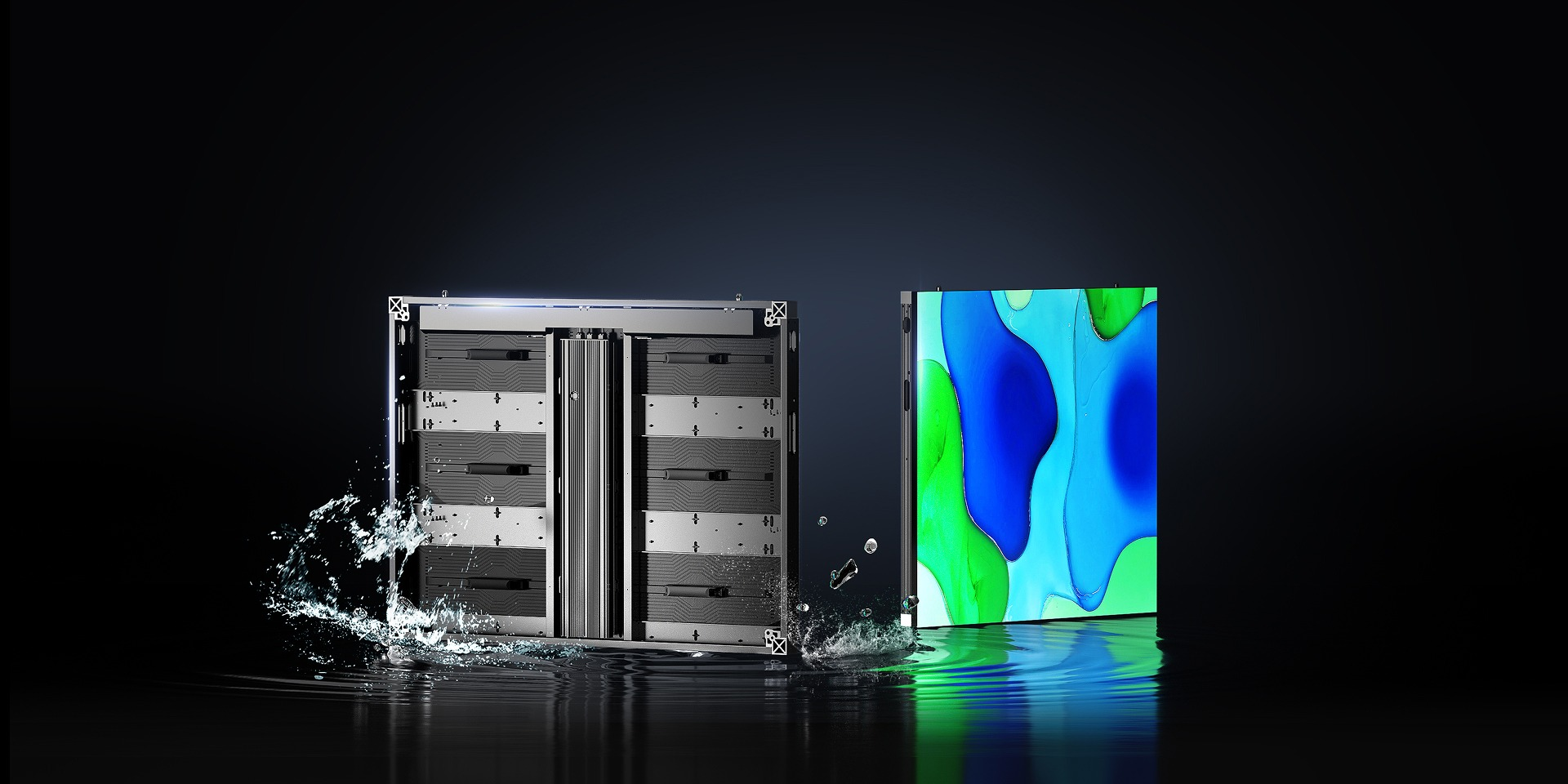
Understanding LED Screen Maintenance Options
Every digital display requires occasional maintenance. Parts wear out, power supplies fail, and extreme weather can damage pixel modules. Technicians need physical access to the internal electronics to swap out these parts. The difference between our two options comes down to where the technician stands while doing the work.
What is Front Service Maintenance?
Front service displays allow technicians to remove the LED pixel modules directly from the front face of the screen. Workers do not need to get behind the structure at all. Instead, they use specialized magnetic tools or a simple T-wrench to unlock the module from the frame.
The technician pops the damaged square out of the screen, unplugs a single data cable, and snaps a new module into place. This entire process takes a matter of seconds.
What is Rear Service Maintenance?
Rear service represents the traditional method of display maintenance. To fix a broken module, technicians must open cabinet doors located on the back of the display. They climb inside the structure or stand on a built-in catwalk behind the screen.
From this rear position, they unscrew the damaged panel, push it out, and pull the replacement back in. This requires physical space behind the screen to house the worker, their tools, and the replacement parts safely.
Installation Requirements Compared
Your physical building structure often makes the decision for you. You cannot install a rear service screen if you do not have the physical room to support it.
Space Constraints for Front Service
Front service screens excel in tight spaces. Because technicians access everything from the front, you can mount these displays completely flush against a solid concrete wall. You do not need to leave a gap between the building and the screen. This makes front service the only viable choice for flat storefronts, indoor architectural columns, or flush-mounted street signs.
Structural Needs for Rear Service
If you want to use a rear service display, you must build a dedicated maintenance corridor. Industry standards typically require at least two to three feet of empty space behind the screen. If you mount this to a building, the screen will jut out noticeably from the wall. Rear service works perfectly for freestanding highway billboards or rooftop structures where space is practically unlimited.
Evaluating the Cost Implications
When planning your budget, you must look beyond the initial purchase price of the hardware. The maintenance design you choose heavily influences both your upfront construction costs and your long-term operational expenses.
Initial Installation Costs
Rear service hardware generally costs slightly less to manufacture than front-accessible modules. However, the installation process erases those savings quickly. Building a sturdy, weather-proof catwalk and support structure behind a massive led screen for advertising outdoor requires expensive steel and specialized engineering.
Front service screens require almost no structural reinforcement behind them. Installers simply mount a slim frame directly to the existing wall, drastically reducing your initial construction and labor costs.
Long-Term Maintenance Expenses
Front service systems save businesses a massive amount of money over a ten-year lifespan. If a panel breaks on a front service screen, one technician can often fix it using a basic ladder or a small mechanical lift.
Fixing a rear service screen requires more effort. While the technician can access the back safely via the catwalk, reaching high or awkwardly placed components sometimes demands two workers. If the rear enclosure requires specialized cooling equipment to keep the maintenance room from overheating, you also face higher monthly electricity bills.
Choosing the Right Setup for Your Project
Your decision ultimately rests on where the screen goes. Choose a front service display when you have strict space limitations, want a sleek architectural look, or plan to mount the unit flat against a building facade. The fast repair times and low labor costs make it ideal for urban retail environments.
Opt for a rear service display when building a massive, freestanding structure like a sports stadium scoreboard or a highway billboard. The spacious rear enclosure protects technicians from the weather while they perform routine repairs, making it a highly practical choice for massive outdoor installations.
Discover Advanced Visual Solutions with QSTECH
Navigating the complex physical requirements of a digital display network is much easier with a trusted partner. QSTECH is a globally recognized pioneer in digital display technology. They engineer brilliant, user-friendly screens tailored specifically to the unique physical demands of your commercial property.
Whether your project requires the sleek, space-saving design of a front-accessible unit or the rugged durability of a traditional rear-access build, QSTECH delivers premium led video wall solutions that perform flawlessly. They design their hardware to ensure your message remains incredibly bright while keeping your maintenance costs remarkably low.
Explore QSTECH's innovative LED solutions today to find the perfect display architecture for your business needs.


