



Outdoor digital-out-of-home (DOOH) projects are judged long after the screen is installed. Operators need a display that can remain legible in bright ambient light, fit the practical constraints of transport and installation, and support dependable operation across changing weather and daily use.
QSTECH Y53 outdoor LED display series is developed around those connected requirements. It is intended for public-facing LED applications including commercial districts, building facades, transportation corridors and other outdoor spaces where image visibility, operational efficiency and installation flexibility matter together.
The Y53 series is not presented as a single answer for every outdoor project. Instead, it gives project teams a structured basis for matching LED display performance, cabinet configuration and protection requirements to the site, viewing distance and operating plan. Final specifications should always be confirmed against the approved product datasheet and project design.
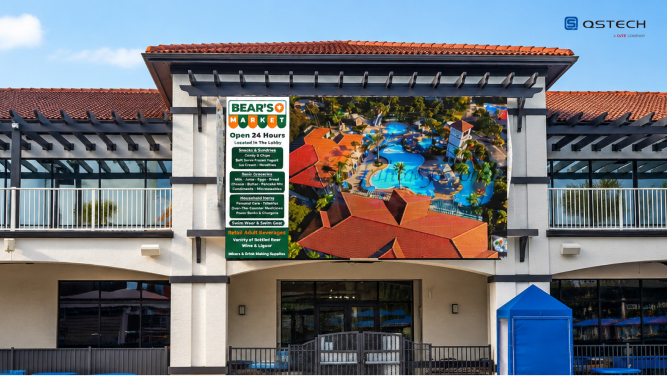
What Outdoor DOOH Operators Need to Balance
An outdoor LED screen is part of a wider operating system. Its value depends on more than peak brightness or pixel pitch alone. Teams also need to consider logistics, installation access, the surrounding light environment, heat management, maintenance planning, content schedules and the architectural context.
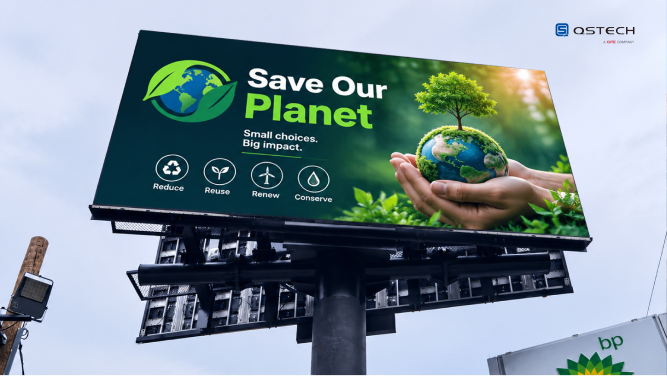
For a typical outdoor deployment, the practical questions are straightforward:
- Will viewers be able to read content under strong daylight?
- Can the screen be transported and installed within the available time, access and lifting conditions?
- Can the selected configuration support the site's expected operating hours and environmental conditions?
- Can the display form work with the building, street furniture or other application structure?
Y53 addresses these questions as a system-level outdoor LED display option rather than treating them as isolated specifications.
Visual Performance for Bright Outdoor Environments
For DOOH, visual performance begins with legibility. An image that looks strong in a controlled showroom may lose clarity when it is exposed to direct or reflected sunlight, long viewing distances and rapidly changing content.
According to QSTECH source materials, the Y53 series can be specified with brightness up to 12,500 nits, a contrast ratio of 15,000:1, and a refresh rate of 7,680 Hz. These values are intended to support bright, high-contrast presentation and smoother playback for dynamic content in demanding outdoor environments.
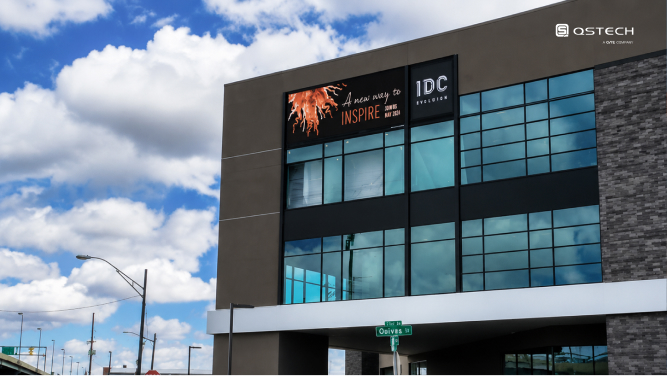
The right result still depends on the project. Brightness, calibration, content design, viewing angle and the display's physical orientation should be evaluated together. For example, a screen facing a low afternoon sun may require a different design response than a display under a canopy or along a shaded transit route.
| Planning Factor | Why It Matters for Outdoor DOOH | Y53 Project Consideration |
|---|---|---|
| Ambient light | Strong sunlight can reduce perceived contrast and readability. | Confirm brightness and orientation for the installation environment. |
| Viewing distance | Text size, pixel pitch and content composition must match audience distance. | Select the appropriate display configuration during project design. |
| Motion content | Fast-moving visuals can reveal artifacts on unsuitable systems. | Assess refresh performance with the intended content workflow. |
| Daily operation | Long schedules affect power, thermal and maintenance planning. | Define operating conditions and service access before deployment. |
From Transport to Installation: Designing for Deployment Efficiency
Outdoor projects frequently have narrow installation windows. City-center access restrictions, traffic management, working-at-height requirements and coordination with other trades can all raise the cost of a technically simple screen.
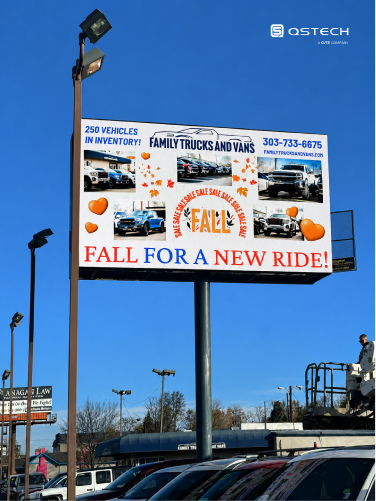

That makes deployment planning a product issue as well as a construction issue. The Y53 series is positioned to support outdoor projects that need a practical balance between display performance and installation handling. Project teams should assess cabinet configuration, module service method, lifting arrangements, structure interfaces and cable routing as part of the early design process.
Early coordination is especially important for locations such as retail streets, transportation facilities and public venues. A display solution that fits the intended structure and access plan can reduce avoidable rework during installation and make later servicing more predictable.
Reliable Outdoor Operation Requires More Than an IP Rating
Outdoor LED displays operate in conditions that vary by climate and location: rain, dust, wind, temperature changes and extended daily runtime can all influence system design. A credible outdoor display proposal therefore needs to connect environmental protection with thermal management, electrical design, structural engineering and maintenance access.
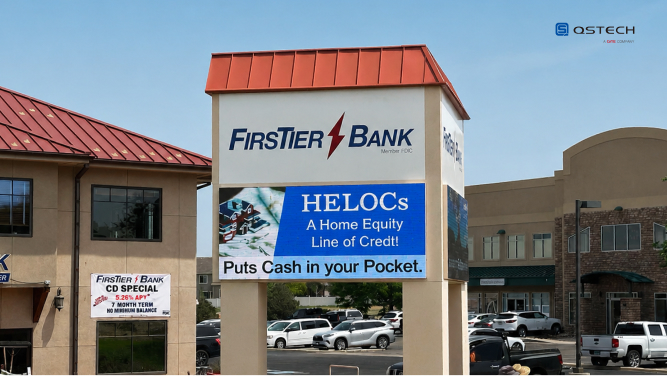
For the Y53 series, the project specification should define the actual site conditions rather than relying on generic labels. This includes the local temperature range, salt or dust exposure, wind-load requirements, drainage, power stability, operating schedule and local compliance requirements. Projects that need a tighter-pitch outdoor display for closer viewing can also compare the QSTECH E28 Series during technical evaluation.
This approach is important for procurement teams as well. It helps ensure that the chosen solution is evaluated against the operating environment it will actually face, and that the responsibilities of the display supplier, installer and structural contractor are clearly separated.
Flexible Formats for Public-Facing Architecture
Outdoor LED displays are increasingly integrated into buildings and public spaces rather than simply mounted onto them. Commercial facades, streetscapes, transportation routes and destination venues each create different expectations for scale, sightlines and visual integration.
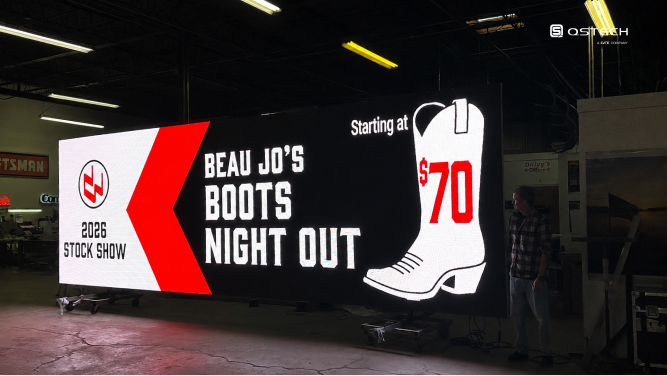
The Y53 series is suited to projects that require the display to work within a broader architectural and operational plan. The final format should be determined by the application: screen size, pixel pitch, cabinet arrangement, structural attachment, service access and content viewing distance all need to be considered together.
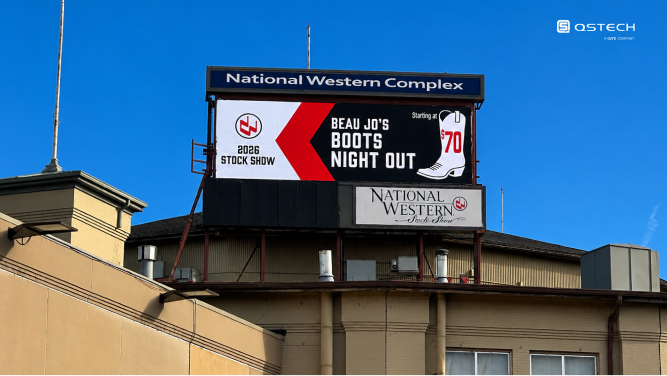
For teams comparing solutions, the useful question is not only “How large can the screen be?” It is “What display configuration will support the audience, the site and the operating model over time?” Where a facade requires high light transmission as well as media impact, the QSTECH B71HD outdoor mesh screen is a relevant alternative to assess.
Typical Outdoor LED Display Applications
Y53 can be considered for outdoor LED display projects where high ambient light and sustained public visibility are central design conditions, including:
● Commercial streets and retail-led public spaces
● Building facades and landmark media surfaces
● Transportation corridors and transit-adjacent environments
● Outdoor venues, plazas and event-facing screens
● Municipal and public-information display applications, subject to local requirements
Each use case has different content, safety and maintenance needs. QSTECH recommends confirming the project configuration with its technical team before final selection.
Choosing an Outdoor LED Display Configuration
The most effective outdoor LED display specification starts with the site, not with a single headline number. Before selecting a configuration, project teams should define:
● The primary viewing distance and viewing angles.
● Local daylight conditions and the proposed screen orientation.
● Required screen dimensions and the available structural envelope.
● Installation access, lifting conditions and service routes.
● The planned content types, operating hours and control system requirements.
● Environmental, electrical and local compliance requirements.
This information supports a more accurate technical recommendation and helps avoid over- or under-specification. Explore the QSTECH LED display product portfolio for additional application options.
About QSTECH
QSTECH is an LED display solution provider and a CVTE subsidiary. The company develops LED display products for commercial, public, corporate and professional AV applications, including indoor and outdoor displays, fine-pitch LED, All-in-One LED displays and specialized display solutions. For outdoor projects, QSTECH works with customers and partners to align display configurations with application requirements, site conditions and operational needs.
FAQ
1. What is the QSTECH Y53 series designed for?
The Y53 series is designed for outdoor LED display applications where public visibility, installation planning and long-term operation must be considered together, such as DOOH, commercial, transport and public-space projects.
2. How bright is the Y53 outdoor LED display?
QSTECH source materials state that Y53 configurations can provide brightness up to 12,500 nits. The suitable brightness setting depends on local ambient light, screen orientation, content and applicable project requirements.
3. Is the Y53 series suitable for outdoor advertising?
It can be considered for outdoor advertising and DOOH applications. The final suitability should be confirmed against the screen size, viewing distance, local regulations, environmental conditions and the approved technical specification.
4. What should be confirmed before choosing an outdoor LED display?
Confirm the site environment, viewing distance, brightness requirement, structure, power, service access, content workflow and local compliance conditions. These factors are as important as display specifications.
5. Can QSTECH support a project-specific outdoor LED display proposal?
QSTECH can help customers and partners evaluate a suitable outdoor LED display configuration based on the project's technical and operational requirements.
Contact QSTECH to discuss an outdoor LED display configuration for your DOOH or public-space project.


