



Have you ever driven past a digital billboard at night and felt completely blinded by the glare? Or perhaps you looked at a screen on a bright, sunny afternoon and could barely make out the washed-out text. These common problems happen when a commercial screen operates at a fixed, unyielding brightness level.
To solve this issue, engineers equip modern outdoor screens with environmental light sensors. This smart technology constantly reads the surrounding environment and automatically adjusts the screen's light output to match.
This guide explains exactly how automatic brightness adjustment works. You will learn why this built-in technology drastically reduces your monthly electricity bills, keeps you compliant with local laws, and creates a vastly superior viewing experience for your audience.
How Automatic Brightness Adjustment Works
At the core of this technology sits a small but highly sensitive piece of hardware called an ambient light sensor. Technicians mount these sensors on the outer frame of the display, pointing outward to measure the exact amount of sunlight hitting the location.
These sensors do not just check the light once a day. They constantly monitor the shifting environmental conditions, sending real-time data back to the display's central control system.
When a dark storm cloud rolls over the city, the sensor detects the drop in ambient light. The control system instantly lowers the voltage sent to the light diodes, dimming the screen. When the sun comes back out, the system ramps the power back up. This seamless transition happens automatically, requiring zero manual input from your IT team or network operators.
The Critical Benefits of Smart Brightness Control
Integrating automated sensors into your digital out-of-home (DOOH) network transforms how your hardware operates. This simple addition creates a massive ripple effect of operational and financial benefits.
Maximizing Energy Efficiency
Running a massive outdoor screen at 100% brightness requires a massive amount of electrical power. However, you only actually need that maximum output during the brightest hours of the afternoon.
If you leave a screen at full power during a cloudy day, at dusk, or throughout the night, you waste thousands of dollars in unnecessary electricity. Automated sensors ensure your screen only uses the exact amount of power required to remain visible. By dimming the screen when the sun goes down, you drastically cut your energy consumption and lower your operational overhead.
Protecting the Viewer Experience
Your advertising only works if people actually want to look at it. A screen that blasts full power at midnight causes dangerous glare for passing drivers and severely annoys nearby residents. Conversely, a screen that runs too dim during the day looks cheap and unprofessional.
Automatic adjustment guarantees the perfect contrast ratio at all times. Your images remain vibrant and crystal clear at high noon, while softly glowing at a comfortable, readable level at night. This keeps your audience engaged without causing eye strain.
Extending Hardware Lifespan
Heat is the ultimate enemy of electronic equipment. When you push maximum power through an LED diode, it generates significant thermal stress. Constant high temperatures slowly bake the internal components, causing the bulbs to degrade, shift in color, and eventually fail entirely.
By allowing the screen to dim itself whenever possible, you give the hardware a chance to cool down. Operating at a lower average core temperature drastically extends the lifespan of your entire display.
Introducing the Y53 Series for DOOH Applications
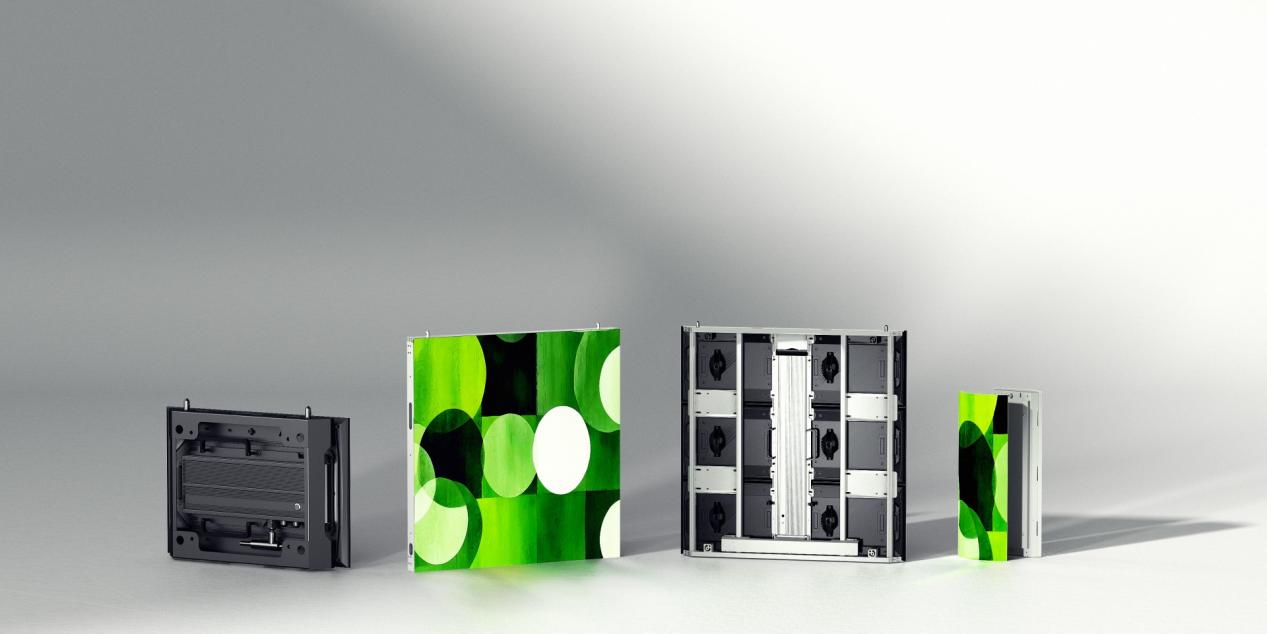
Achieving flawless outdoor performance requires hardware built specifically for unpredictable environments. The Y53 series represents a massive leap forward in outdoor digital signage. This advanced dooh led display features a lightweight, highly transparent aluminum chassis designed to combat high winds while delivering stunning visual clarity. Engineered directly for the demands of the DOOH industry, the Y53 integrates perfectly with automated environmental sensors to ensure optimal light output at all times. By choosing a reliable professional led display like the Y53, operators guarantee their campaigns remain perfectly visible during a bright afternoon while automatically dimming to safe, comfortable levels after sunset.
Navigating Local Advertising Regulations
Beyond energy savings and visual appeal, automated brightness control often serves as a strict legal requirement. Many cities and municipalities enforce strict zoning laws regarding digital signage to prevent light pollution.
These regulations usually dictate a maximum allowed brightness level for nighttime operation. If your screen violates these limits, city officials can hit your business with heavy fines or force you to shut the display down entirely. Automated sensors keep your business fully compliant with local laws, giving you complete peace of mind.
Explore QSTECH's innovative LED solutions today to find the perfect display for your DOOH advertising network.


