



Investing in a massive digital display for a commercial building or public space brings an immediate visual impact. You can showcase stunning advertisements, share critical public information, and capture the attention of thousands of passersby. However, outdoor technology faces a relentless enemy: the weather. Rain, snow, humidity, and dust will quickly destroy expensive electronic components if they lack proper protection.
To safeguard your investment, you must understand Ingress Protection (IP) ratings. These technical codes determine exactly how much water and dust your hardware can survive. Choosing the wrong specification can lead to catastrophic hardware failure and expensive replacements.
This guide breaks down the differences between IP65, IP66, and IP68 waterproof ratings. You will learn exactly what these numbers mean and how to select the perfect level of environmental protection for your specific outdoor installation.
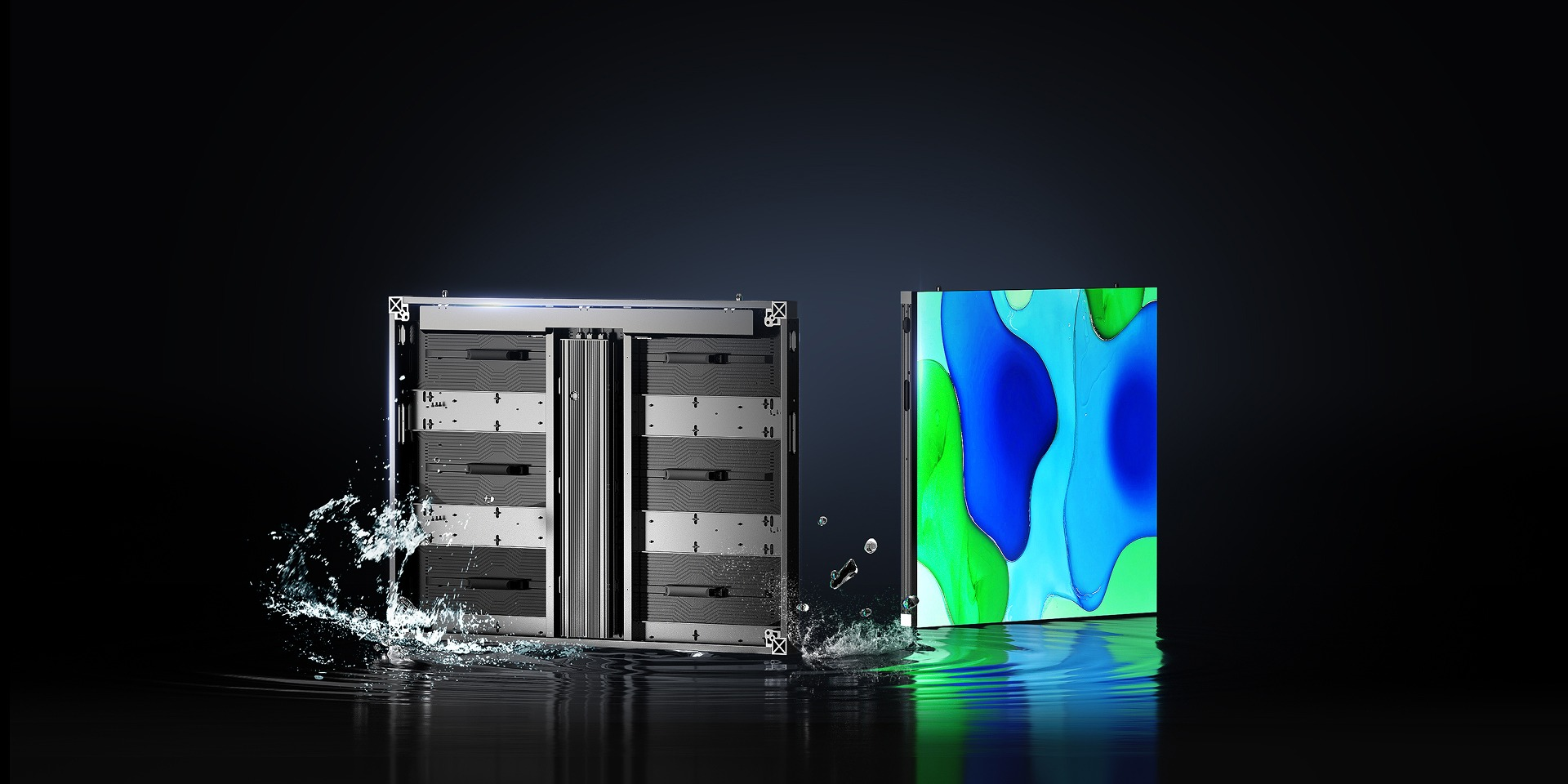
What Does an IP Rating Actually Mean?
Before comparing specific grades, you need to understand how the rating system works. The International Electrotechnical Commission (IEC) created the IP rating system to classify the degree of protection provided by mechanical casings and electrical enclosures.
An IP rating consists of two specific digits:
· The first digit: This number ranges from 0 to 6. It indicates the level of protection against solid objects, including dirt, dust, and tools. A rating of 6 means the enclosure is completely dust-tight. For outdoor displays, you always want this first number to be a 6.
· The second digit: This number ranges from 0 to 9. It measures the level of protection against liquids, specifically water. A higher number indicates a stronger defense against moisture.
When you look at outdoor screens, you will primarily encounter IP65, IP66, and IP68 specifications.
Breaking Down the Waterproof Grades
Each waterproof grade serves a distinct purpose. Understanding these differences helps you match the hardware to your local climate and installation environment.
IP65: The Standard Defense
An IP65 rating serves as the baseline standard for most outdoor digital displays. The "5" indicates that the screen can withstand low-pressure water jets sprayed from any direction.
If you install an IP65 screen, it will easily survive regular rainfall, light snow, and standard outdoor humidity. It represents a highly cost-effective solution for locations with moderate weather patterns. However, you should not subject an IP65 display to high-pressure power washing or severe, driving rainstorms on a constant basis.
IP66: Heavy-Duty Protection
When you step up to an IP66 rating, you gain a significant boost in water resistance. The "6" means the enclosure can handle powerful, high-pressure water jets from any direction.
This level of protection becomes necessary in coastal areas or regions known for intense, wind-driven rainstorms. If your installation site frequently experiences severe weather events like hurricanes or typhoons, an IP66 screen provides the structural integrity needed to keep the internal electronics completely dry.
IP68: Maximum Submersion Security
An IP68 rating represents the highest level of waterproof protection commercially available for displays. The "8" signifies that the equipment can survive continuous immersion in water beyond 1 meter in depth.
While you likely do not plan to install your billboard underwater, an IP68 rating offers total peace of mind in extreme environments. It ensures absolute invulnerability against moisture, making it ideal for low-lying areas prone to severe flooding or installations located directly near massive bodies of water.
How to Choose the Right Grade for Your Location
Selecting the correct IP rating requires a careful evaluation of your physical environment. You must consider historical weather data, the exact placement of the screen, and your maintenance procedures.
Ask yourself these critical questions before making a purchase:
· What is the local climate? If your city experiences gentle, predictable rain, IP65 works perfectly. If you face harsh coastal storms, upgrade to IP66.
· Does the screen have structural cover? A display mounted under a large architectural overhang receives natural protection. A standalone advertising outdoor led screen positioned in an open parking lot takes the full force of every storm and requires a higher IP rating.
· How will you clean it? If your maintenance team uses high-pressure water hoses to clean bird droppings and dirt off the display, you must use at least an IP66-rated screen to prevent accidental water damage during routine cleaning.
Why Cutting Corners Costs You More
Opting for a lower IP rating to save money upfront rarely pays off in the long run. Moisture damage remains one of the leading causes of premature display failure. When water breaches the casing, it corrodes the internal circuitry, shorts out the power supplies, and creates massive dead zones across the screen.
Repairing a water-damaged display often requires replacing entire internal modules, which costs significantly more than simply buying a properly rated screen from the start. Protecting your digital asset with the right waterproof grade guarantees a longer lifespan, lower maintenance costs, and an uninterrupted visual experience for your audience.
Secure Your Visuals with Expert Technology
Navigating environmental specifications feels overwhelming without the right technical partner. QSTECH stands as a global leader in visual technology, engineering displays built to survive the harshest conditions while delivering breathtaking color and clarity. When you invest in a QSTECH led screen, you receive robust, battle-tested hardware designed specifically for your unique climate challenges. They ensure your message remains bright and visible, regardless of what the weather brings.
Ready to deploy a stunning, weather-proof display that captivates your audience? Explore QSTECH's innovative LED solutions today.


