



Upgrading your conference room or commercial space with a large-scale display used to require an engineering degree just to understand the installation manual. For years, massive video walls meant dealing with a chaotic web of cables, heavy mounting brackets, external power supplies, and separate control systems. If one piece failed, the whole screen went dark.
Thankfully, display technology has rapidly advanced. We have moved away from those messy, complex components and stepped into an era of seamless, user-friendly integration. If you are considering a new display for your boardroom, lobby, or auditorium, understanding this shift helps you make a smarter, more cost-effective investment. Let us explore exactly how LED screens evolved from fragmented modular parts into sleek, integrated systems.
The Early Days: The Complexity of Modular Systems
Just a few years ago, building a commercial LED wall felt like constructing a massive puzzle. Installers had to piece together individual LED modules, mount them to custom-built metal frames, and carefully align them to avoid visible seams.
But the physical screen was only half the battle. Behind the wall sat a complex ecosystem of hardware:
· Sending and receiving cards: Devices required to translate video signals into something the LED panels could display.
· External power supplies: Bulky units needed to keep the massive wall running without overheating.
· Video processors: Separate machines to scale and switch the video feeds.
· Miles of cabling: Every single panel needed dedicated power and data cables, creating a tangled mess behind the display.
This modular approach created immense friction for users. Installation took days or even weeks. Maintenance required highly specialized technicians. If an executive simply wanted to share a presentation, they often had to navigate multiple control panels just to get the screen to turn on.
The Catalyst for Change: Demand for Simplicity
Businesses quickly grew tired of the high costs and technical headaches associated with modular video walls. Companies wanted the stunning visual impact of a massive LED screen, but they demanded the simplicity of a standard living room television.
IT departments and facility managers asked for solutions that required less structural reinforcement, fewer points of failure, and zero visible cables. Presenters wanted a display they could turn on with a single remote control. This clear market demand forced engineers to rethink how they built and packaged display technology. They realized the only way forward was to condense all those external components into a single, cohesive unit.
The Shift to Integrated Innovation
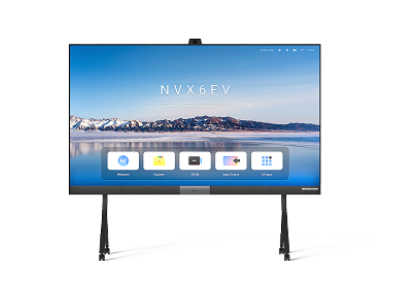
This drive for simplicity birthed the modern all in one led display. Instead of shipping a box of parts and a complex wiring diagram, manufacturers began designing screens where every necessary component comes pre-integrated into the actual display housing.
This technological leap changed the industry standard overnight. An integrated system takes the power supply, receiving cards, video processor, and even the audio system, and builds them directly into the ultra-thin chassis of the screen. You no longer need a dedicated control room or an AV rack hidden in a closet. The screen itself handles everything.
What Makes Integrated Systems Superior?
Transitioning to an integrated system solves the major pain points of older video walls. When you choose a modern, unified display, you experience several direct benefits:
· Plug-and-play installation: Installers can mount these screens and have them running in a matter of hours, not weeks. Many systems plug directly into standard wall outlets.
· Sleek, lightweight aesthetics: Without the need for heavy external framework and cables, these screens sit flush against the wall. They look like a giant, premium television rather than an industrial billboard.
· Built-in operating systems: Most integrated screens feature Android or Windows operating systems built right in. You can load apps, browse the web, and wirelessly cast your screen directly from your phone or laptop.
· Simplified maintenance: Because everything is housed in one unit, troubleshooting becomes incredibly easy. Most panels offer front-access maintenance, meaning you can swap out a single pixel card in seconds using a magnetic tool, without taking the screen off the wall.
Meet QSTECH: Leading the Visual Revolution
Navigating this transition requires a trusted technology partner who understands the nuances of modern displays. QSTECH is a globally recognized pioneer in LED innovation, dedicated to simplifying high-end visual experiences for businesses around the world. With decades of engineering expertise, a QSTECH led solution guarantees vibrant colors, seamless operation, and exceptional reliability. They design their displays specifically to eliminate the headaches of traditional video walls, delivering breathtaking, user-friendly technology that empowers your team to present with absolute confidence.
Ready to transform your communication spaces with next-generation integrated displays? Explore QSTECH's innovative LED solutions today to find the perfect screen for your unique needs.


